A city of layers: Viking roots, Georgian elegance, modern energy
Walk a few streets in Dublin and you move across centuries—stone by stone, square by square, voice by voice.
Table of Contents
From Viking Dublin to medieval crossroads
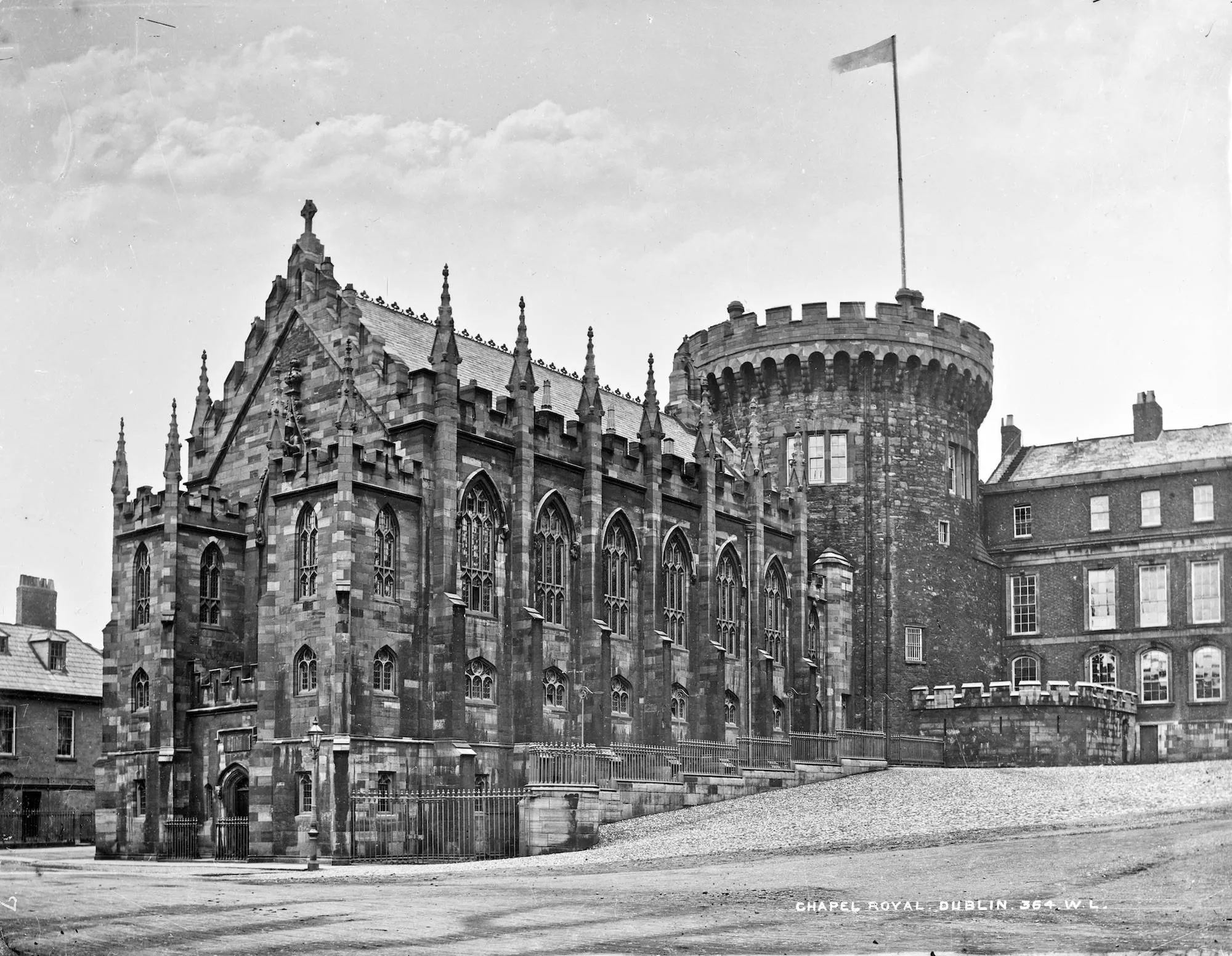
Long before modern boulevards and shopping streets, Dublin began as a Viking longphort near the River Liffey in the 9th century. The location was strategic: a river route inland, a maritime doorway to the Irish Sea, and fertile connections to wider European trade networks. Over time, this early settlement merged with older Gaelic communities and grew into a contested but thriving town where Norse merchants, local rulers, clergy, and craftspeople all left traces in language, layout, and commerce.
By the High Middle Ages, Dublin had become one of Ireland’s key urban centers, shaped by Norman expansion, ecclesiastical influence, and growing administrative structures. Narrow lanes, market spaces, and defensive boundaries gave the medieval city its rhythm, parts of which still echo in the present-day street grid. Walking with a city pass between old sites is not simply a checklist exercise: it is a physical encounter with the city’s earliest urban logic, where power, trade, and faith were tightly intertwined.
Castles, cathedrals, and civic power
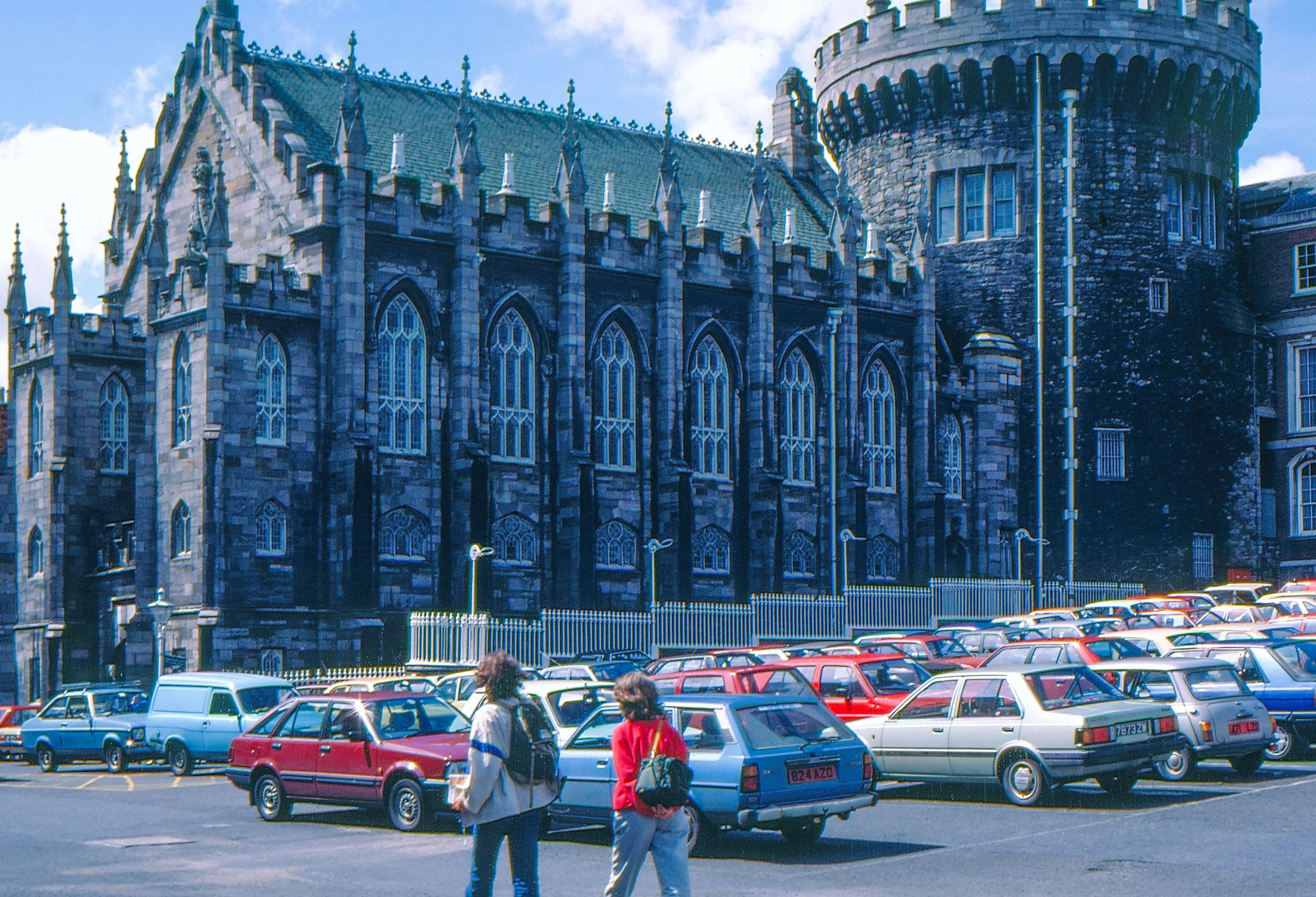
Dublin’s castles, cathedrals, and public institutions reveal how authority was performed and negotiated across centuries. Religious foundations served not only spiritual life but also education, welfare, and legal influence. Nearby administrative buildings reflected changing governance, from medieval lordship to imperial bureaucracy and eventually national institutions. These spaces were never static monuments; they were active theatres of law, ritual, dispute, and public identity.
As you move between these landmarks, details begin to speak: worn stone thresholds, memorial plaques, rebuilt façades, and layers of restoration where different eras overlap. You may notice how architecture encodes hierarchy yet also invites reinterpretation. A hall built for one political order can later host ceremonies of another. In Dublin, civic space is continuously rewritten, and this dynamic tension between continuity and change is one of the city’s most compelling historical themes.
Georgian Dublin and architectural identity
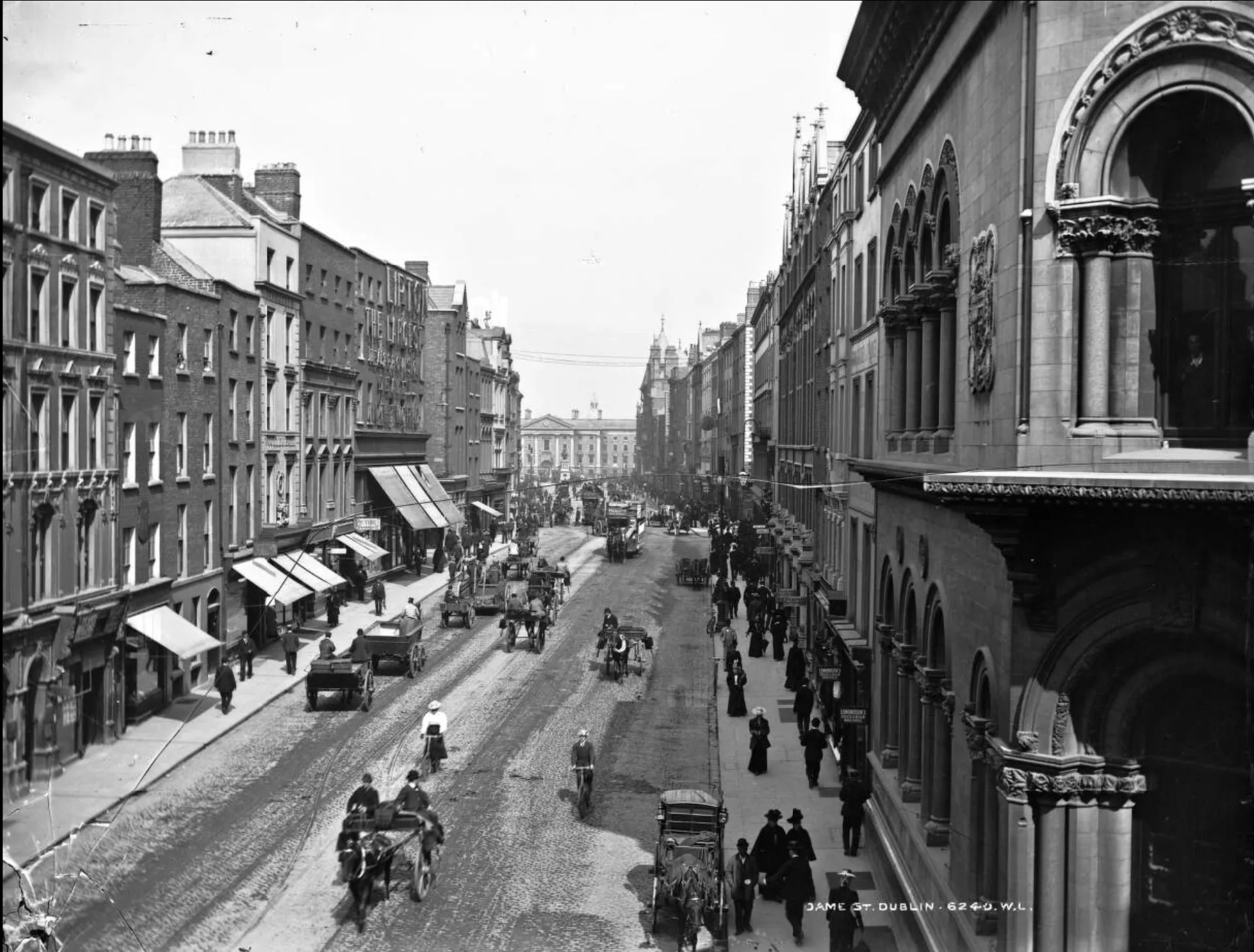
The Georgian period transformed Dublin’s visual identity with wide streets, planned squares, and elegant terraces that still define much of the central city. Uniform façades, fanlit entrances, and brick proportions conveyed order, confidence, and metropolitan ambition. Yet behind these formal fronts lived a complex social world of privilege, service labor, commerce, and constant adaptation as households and institutions changed over generations.
Today, Georgian Dublin is both heritage icon and living fabric. Government offices, cultural venues, apartments, schools, and small businesses coexist within these historic frames. The famous painted doors—so often photographed—are more than aesthetic symbols: they represent continuity, individuality, and a local affection for details that balance tradition with personality. A well-planned city card route helps you see this architecture not as a backdrop, but as evidence of how urban ideals evolve across time.
Literary Dublin: writers, rebels, and ideas
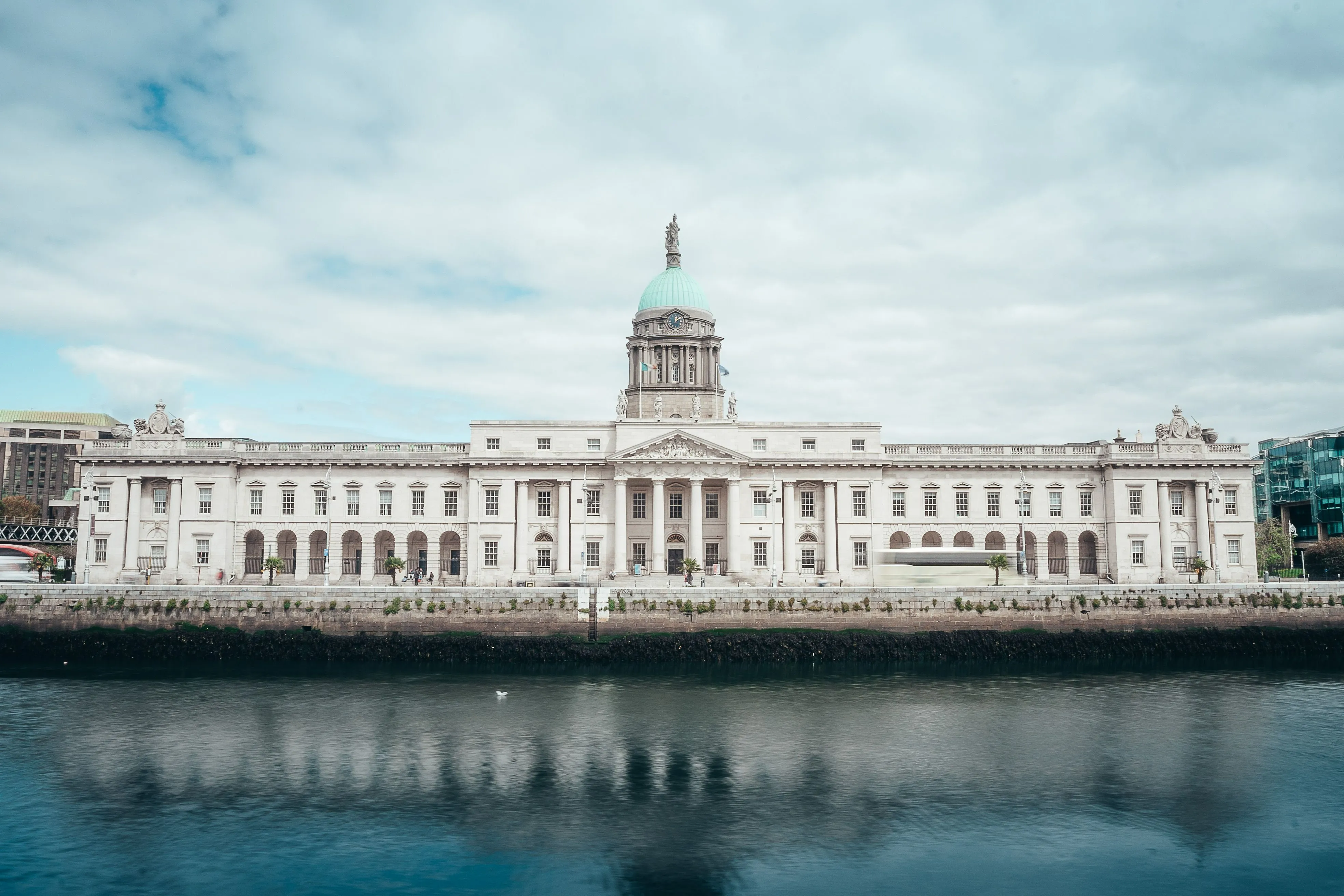
Dublin’s global literary reputation is inseparable from its political and social history. The city nurtured playwrights, satirists, modernists, poets, and journalists whose works captured everyday speech as vividly as philosophical conflict. From Swift and Wilde to Yeats, Joyce, and Beckett, Dublin has generated writing that is at once intensely local and universally resonant.
Literary life here has never been confined to libraries alone. Newspapers, debating societies, theatres, schools, and cafés all served as engines of argument and imagination. During periods of unrest and reform, language became a tool of resistance, identity, and reinvention. As you explore with your pass, you may find that a museum gallery, a statue, or a simple street name opens a wider conversation about memory, satire, nationalism, and the enduring power of public storytelling.
Empire, trade, and the port city economy
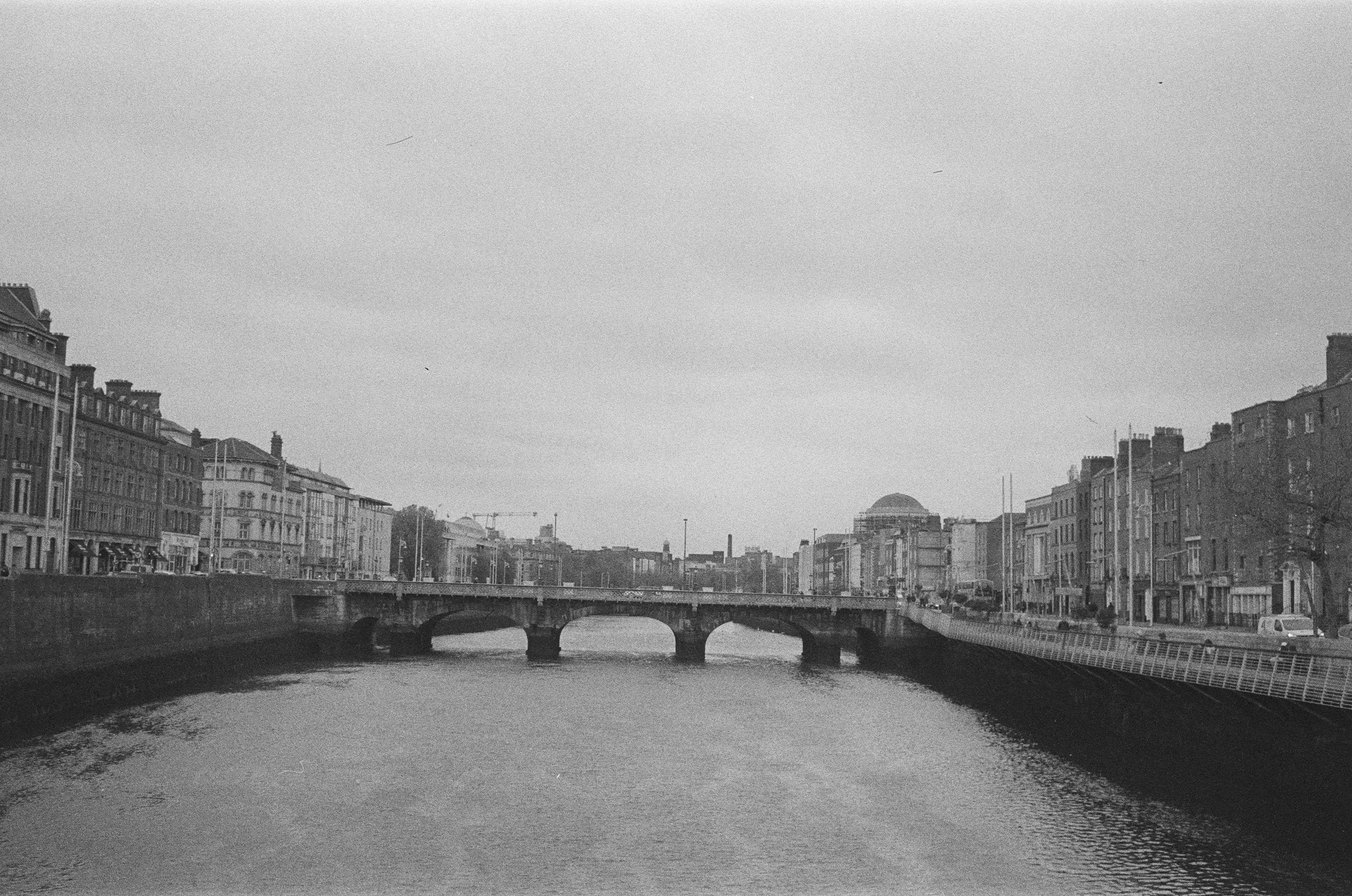
Dublin’s economy long depended on its port and commercial infrastructure. Warehouses, quays, customs systems, and shipping networks linked the city to Britain, continental Europe, and Atlantic circuits of goods, labor, and finance. These links generated wealth for some, hardship for others, and enduring inequalities that shaped housing patterns, labor politics, and social geography.
Industrial transitions, technological change, and shifting global markets repeatedly forced Dublin to adapt. Docklands once tied to heavy trade later became sites of redevelopment and new service economies. Walking these areas today, you can sense both continuity and rupture: fragments of maritime heritage alongside modern glass offices, start-up campuses, and public spaces designed for a different urban future. The city card journey makes this transformation visible block by block.
Revolution, independence, and remembrance
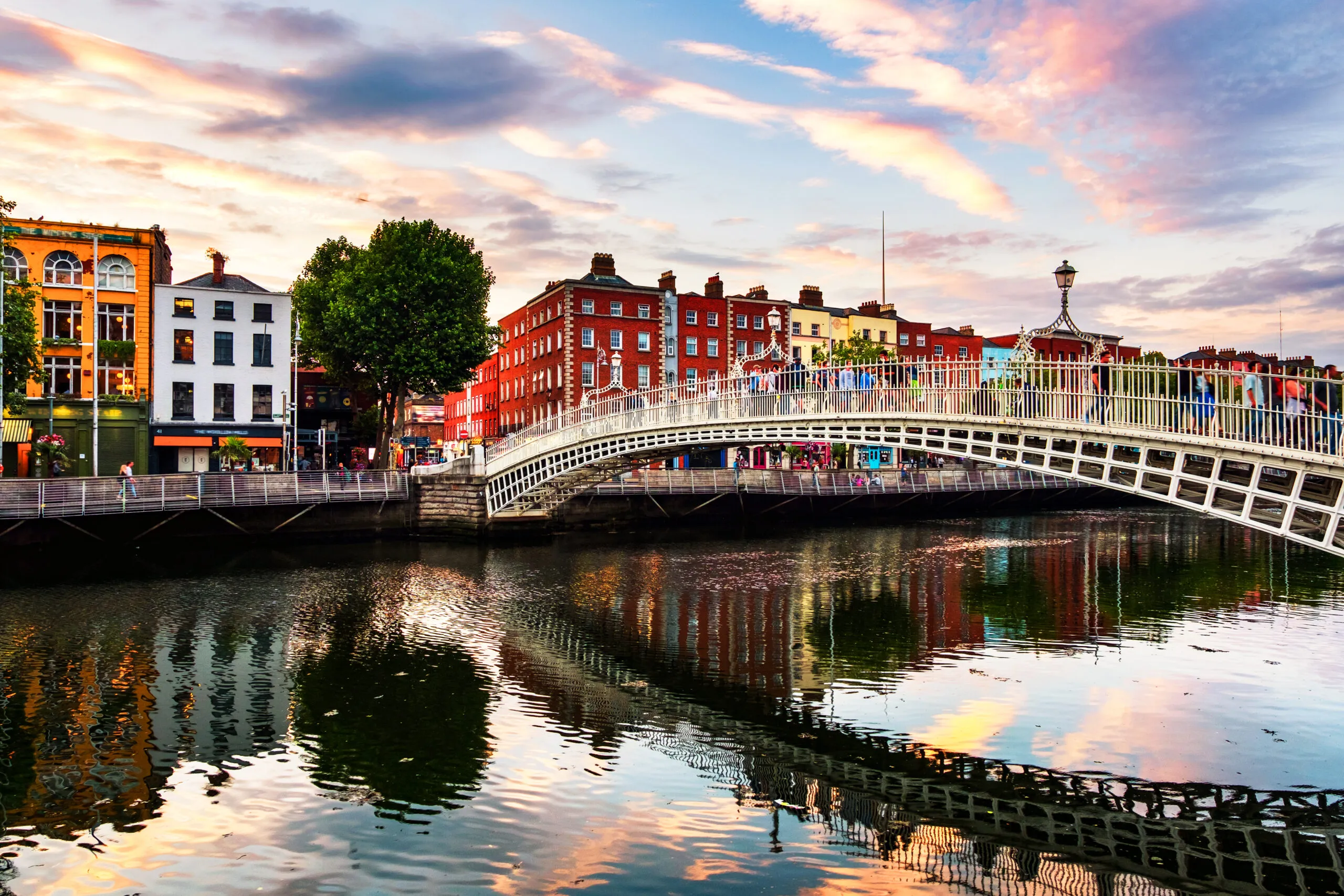
The early 20th century placed Dublin at the center of events that reshaped Irish political destiny. Debates over sovereignty, language, class, and constitutional futures intensified through civic organizations, cultural revival movements, and eventually armed struggle. Streets now familiar to visitors witnessed occupations, battles, and acts of symbolic resistance whose consequences still inform public life.
Commemoration in Dublin is nuanced rather than monolithic. Museums, memorials, and guided narratives increasingly present multiple viewpoints: revolutionary idealism, civilian suffering, state formation, and contested memory across communities. Engaging these stories through city card attractions can be deeply rewarding, especially when you give yourself time to absorb context rather than rushing from one plaque to the next.
Music, pubs, and everyday social rituals
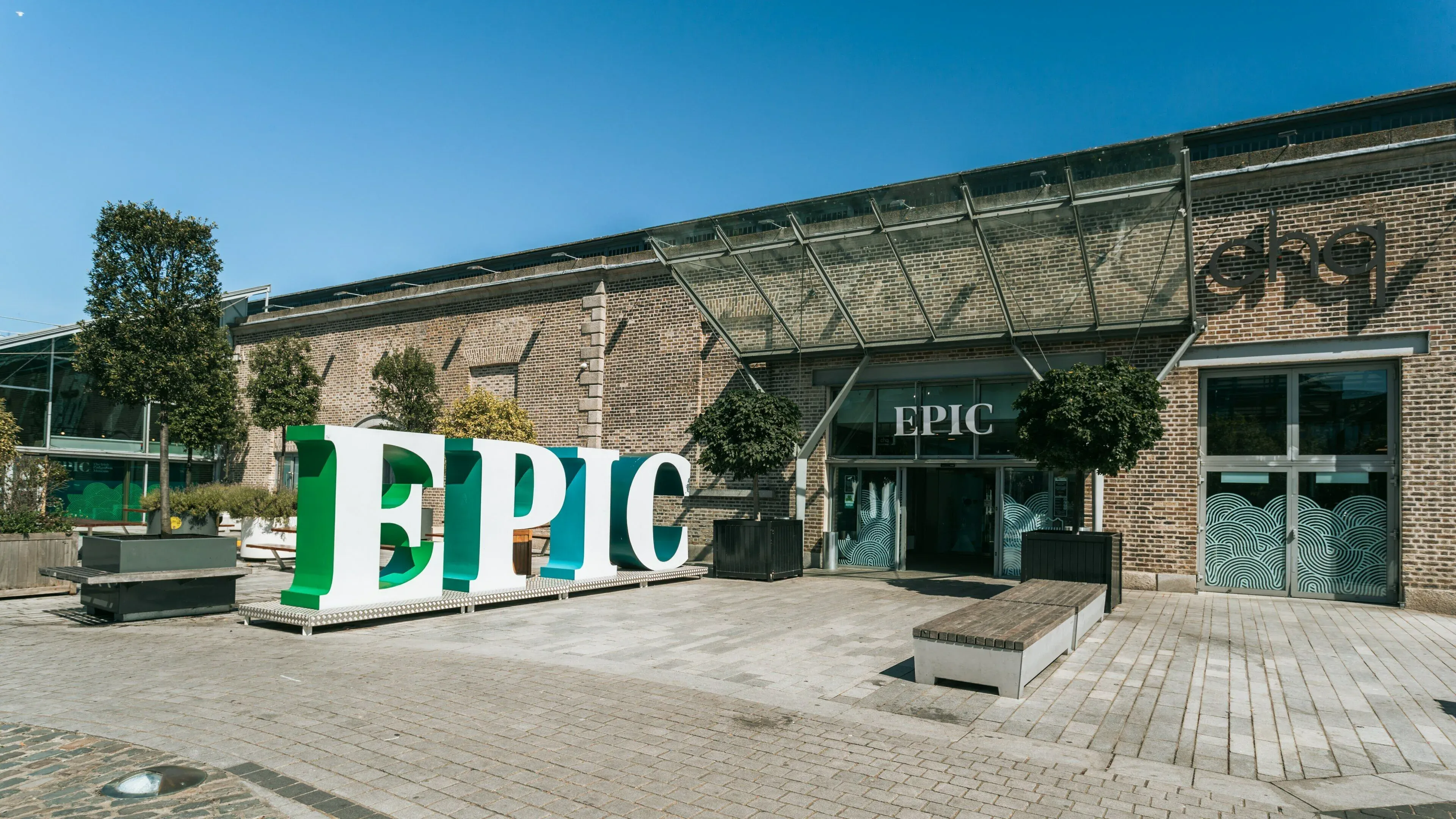
Dublin’s cultural pulse is often felt most strongly in everyday social spaces: pubs, small venues, local theatres, and street corners where buskers gather. Traditional Irish music sessions, spoken-word nights, and informal storytelling are not staged museum pieces; they are living practices that continue to evolve with each generation.
For visitors, this social texture is one of Dublin’s most memorable qualities. A casual evening can become an education in local humor, song traditions, and the art of conversation. Even simple rituals—ordering tea, discussing weather, debating football, recommending books—carry a civic warmth that helps newcomers feel welcome. The best itineraries leave room for these unscripted moments.
Museums, memory, and public storytelling
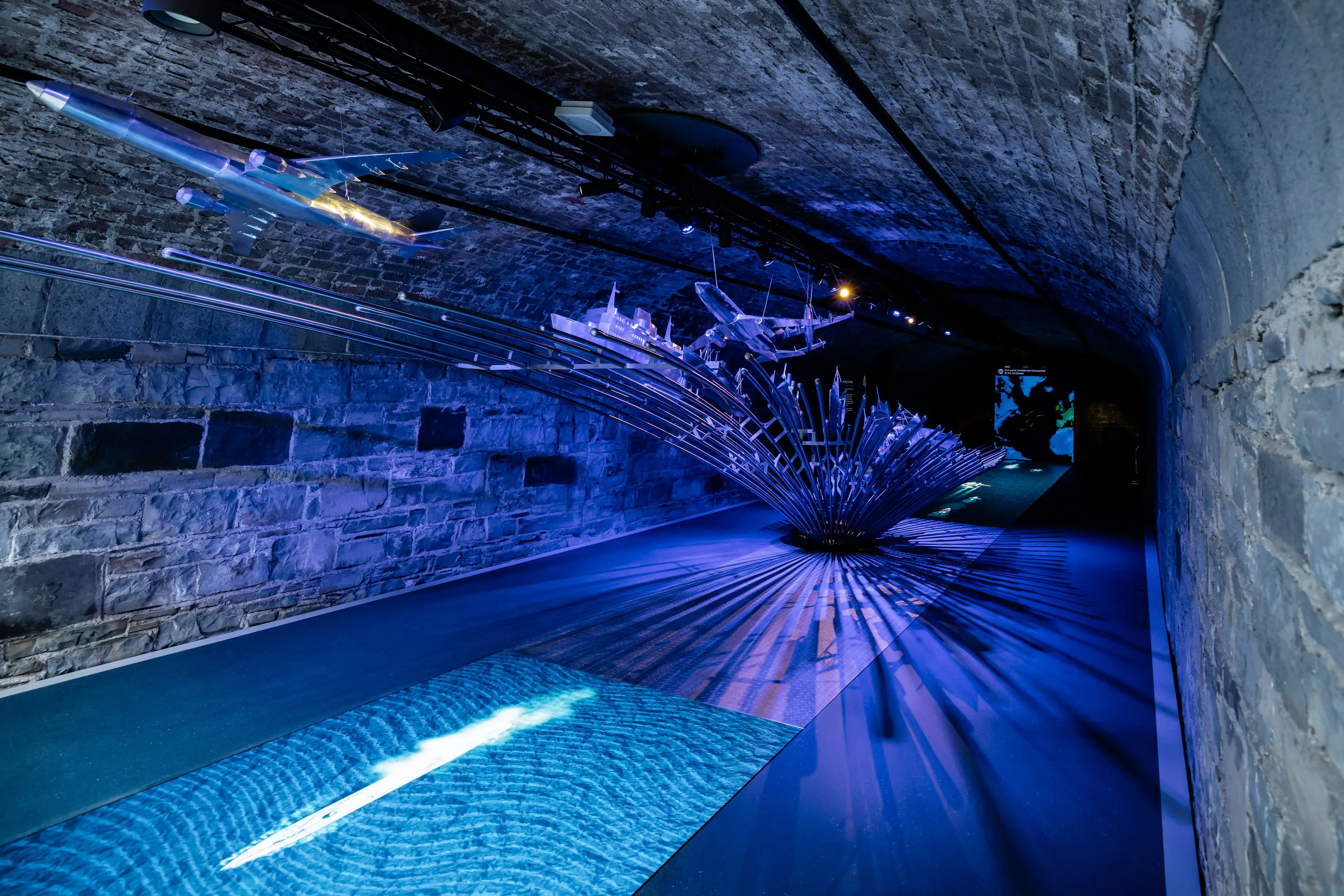
Dublin’s museum landscape is unusually strong for a city of its size, offering dense narratives on archaeology, emigration, literature, politics, and decorative arts. Contemporary curatorial methods increasingly combine artifacts with oral histories, multimedia installations, and community archives, allowing visitors to engage not just with facts but with lived experience.
A city card can turn this diversity into a coherent learning arc. Instead of isolated visits, you can compare perspectives across institutions: official records versus personal testimony, elite collections versus vernacular culture, national myth versus critical reinterpretation. This layered approach is where Dublin’s intellectual richness really stands out.
Migration, diversity, and modern Dublin life
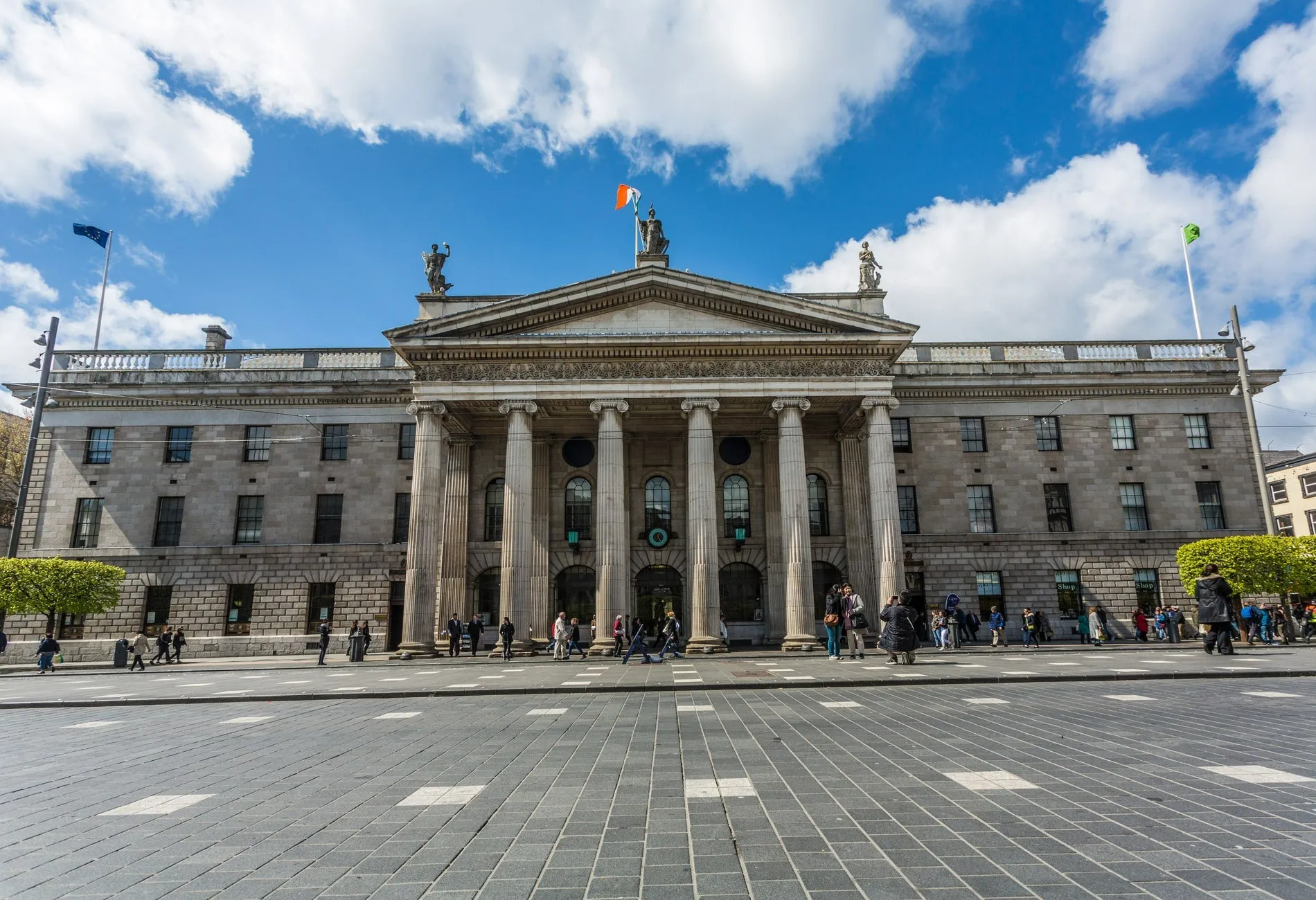
Modern Dublin is increasingly diverse, shaped by internal migration, European mobility, global workforces, and international student communities. New restaurants, language communities, faith centers, and cultural festivals have expanded what everyday Irish urban life looks and sounds like.
This diversity does not erase older traditions; it reframes them. Dublin’s identity today is dialogic—rooted in memory yet open to reinvention. As you move through markets, museums, and neighborhoods, you may notice how local and global influences meet in cuisine, music, design, and public debate. That conversation is central to understanding contemporary Dublin.
Planning a meaningful city card itinerary
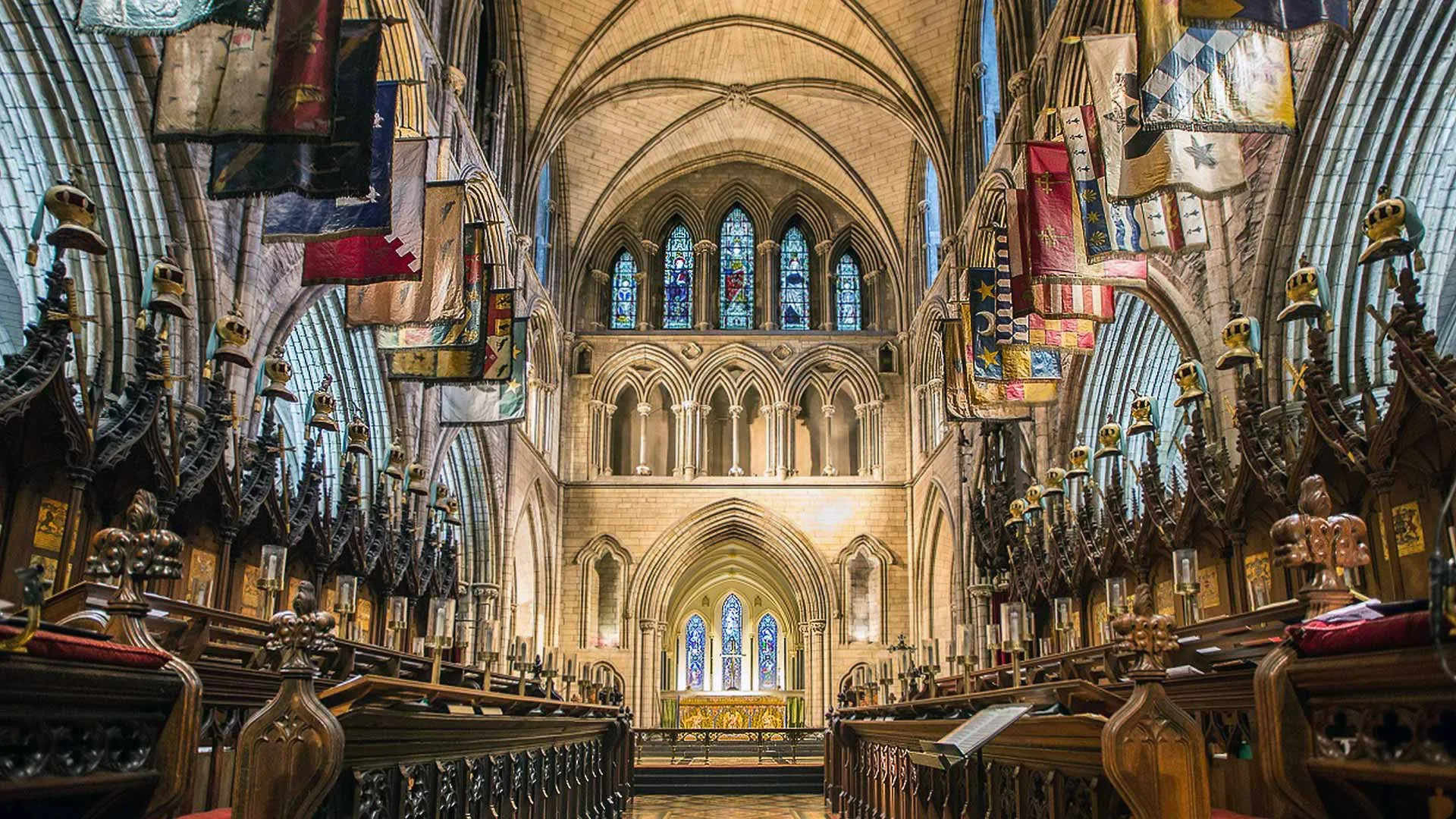
A thoughtful itinerary starts with priorities, not quantity. Decide whether your core interest is political history, literature, migration, architecture, or family-friendly discovery, then cluster nearby attractions to reduce transit friction. This creates breathing space for slower visits and unplanned discoveries.
In practical terms, combine one anchor attraction each morning with one or two complementary stops in the afternoon. Keep at least one flexible block each day for weather changes or spontaneous neighborhood exploration. Dublin rewards this balanced style: structured enough to be efficient, relaxed enough to feel human.
Protecting heritage in a living capital
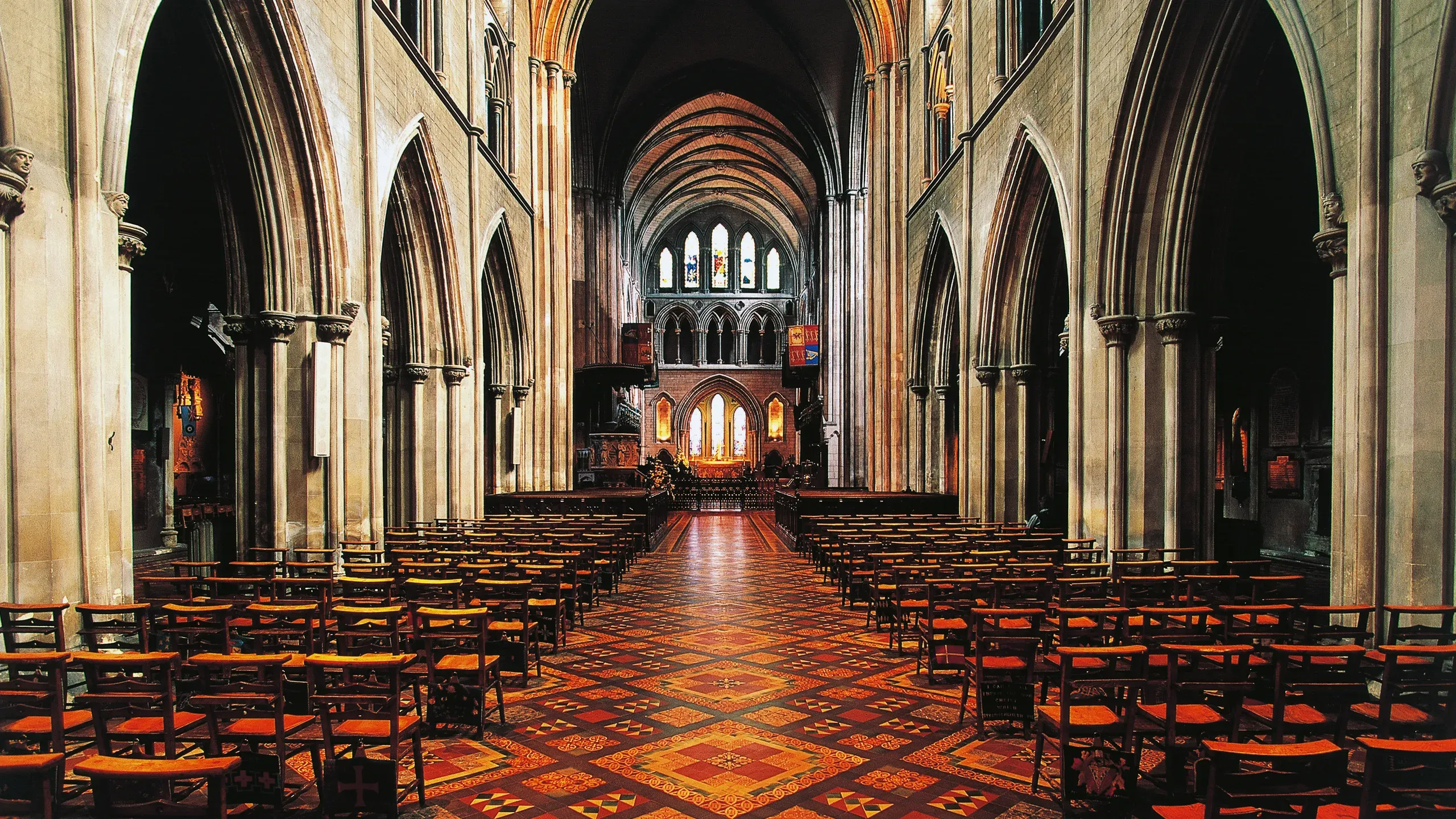
Preserving Dublin’s built heritage is an ongoing challenge shaped by housing demand, tourism pressure, climate resilience, and economic growth. Conservation decisions often require difficult trade-offs: how to protect character while ensuring that the city remains livable, accessible, and socially mixed.
Visitors can contribute positively by choosing responsible operators, respecting residential areas, and supporting institutions that invest in research and conservation. Heritage is not only about monuments; it includes language, music, craft traditions, and neighborhood memory. A well-used city card can support that wider ecosystem when travel choices are thoughtful.
Beyond landmarks: neighborhoods worth your time
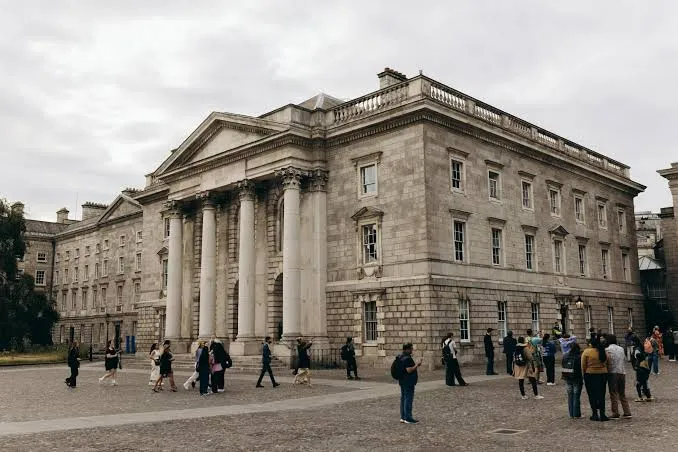
Some of Dublin’s most rewarding moments happen outside headline attractions. Exploring side streets reveals independent galleries, second-hand bookshops, small bakeries, and public parks where city life slows to a gentler rhythm. These places may not top every itinerary, but they often become favorite memories.
If your schedule allows, treat one afternoon as a neighborhood day with fewer fixed entries. Follow curiosity: a market stall recommendation, a mural, a local design shop, or a riverside bench at golden hour. This is where Dublin feels less like a destination and more like a lived-in city you can genuinely connect with.
Why the Dublin City Card tells a bigger story
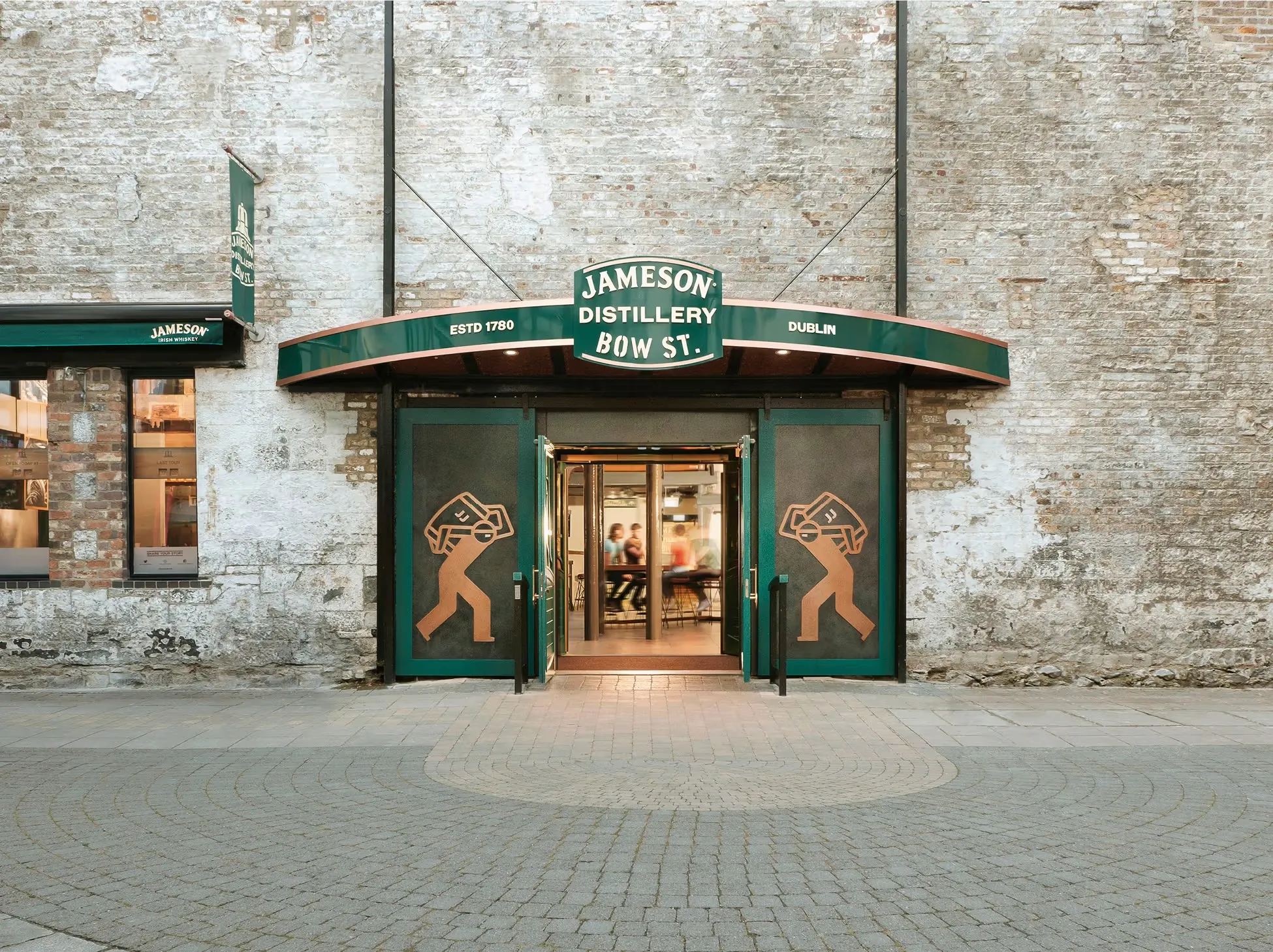
At first glance, the Dublin City Card looks like a practical savings tool. In reality, it can become a narrative framework that helps you read the city across themes: power, faith, trade, migration, memory, and creativity. Each attraction adds one piece to a broader urban story.
By the end of your trip, the value of the card is not only financial. It is cognitive and emotional: you navigate with confidence, connect places with context, and understand Dublin as a city of continuity and reinvention. That is the real souvenir—a richer, more textured sense of place that stays with you long after the journey ends.
Table of Contents
From Viking Dublin to medieval crossroads
Long before modern boulevards and shopping streets, Dublin began as a Viking longphort near the River Liffey in the 9th century. The location was strategic: a river route inland, a maritime doorway to the Irish Sea, and fertile connections to wider European trade networks. Over time, this early settlement merged with older Gaelic communities and grew into a contested but thriving town where Norse merchants, local rulers, clergy, and craftspeople all left traces in language, layout, and commerce.
By the High Middle Ages, Dublin had become one of Ireland’s key urban centers, shaped by Norman expansion, ecclesiastical influence, and growing administrative structures. Narrow lanes, market spaces, and defensive boundaries gave the medieval city its rhythm, parts of which still echo in the present-day street grid. Walking with a city pass between old sites is not simply a checklist exercise: it is a physical encounter with the city’s earliest urban logic, where power, trade, and faith were tightly intertwined.
Castles, cathedrals, and civic power
Dublin’s castles, cathedrals, and public institutions reveal how authority was performed and negotiated across centuries. Religious foundations served not only spiritual life but also education, welfare, and legal influence. Nearby administrative buildings reflected changing governance, from medieval lordship to imperial bureaucracy and eventually national institutions. These spaces were never static monuments; they were active theatres of law, ritual, dispute, and public identity.
As you move between these landmarks, details begin to speak: worn stone thresholds, memorial plaques, rebuilt façades, and layers of restoration where different eras overlap. You may notice how architecture encodes hierarchy yet also invites reinterpretation. A hall built for one political order can later host ceremonies of another. In Dublin, civic space is continuously rewritten, and this dynamic tension between continuity and change is one of the city’s most compelling historical themes.
Georgian Dublin and architectural identity
The Georgian period transformed Dublin’s visual identity with wide streets, planned squares, and elegant terraces that still define much of the central city. Uniform façades, fanlit entrances, and brick proportions conveyed order, confidence, and metropolitan ambition. Yet behind these formal fronts lived a complex social world of privilege, service labor, commerce, and constant adaptation as households and institutions changed over generations.
Today, Georgian Dublin is both heritage icon and living fabric. Government offices, cultural venues, apartments, schools, and small businesses coexist within these historic frames. The famous painted doors—so often photographed—are more than aesthetic symbols: they represent continuity, individuality, and a local affection for details that balance tradition with personality. A well-planned city card route helps you see this architecture not as a backdrop, but as evidence of how urban ideals evolve across time.
Literary Dublin: writers, rebels, and ideas
Dublin’s global literary reputation is inseparable from its political and social history. The city nurtured playwrights, satirists, modernists, poets, and journalists whose works captured everyday speech as vividly as philosophical conflict. From Swift and Wilde to Yeats, Joyce, and Beckett, Dublin has generated writing that is at once intensely local and universally resonant.
Literary life here has never been confined to libraries alone. Newspapers, debating societies, theatres, schools, and cafés all served as engines of argument and imagination. During periods of unrest and reform, language became a tool of resistance, identity, and reinvention. As you explore with your pass, you may find that a museum gallery, a statue, or a simple street name opens a wider conversation about memory, satire, nationalism, and the enduring power of public storytelling.
Empire, trade, and the port city economy
Dublin’s economy long depended on its port and commercial infrastructure. Warehouses, quays, customs systems, and shipping networks linked the city to Britain, continental Europe, and Atlantic circuits of goods, labor, and finance. These links generated wealth for some, hardship for others, and enduring inequalities that shaped housing patterns, labor politics, and social geography.
Industrial transitions, technological change, and shifting global markets repeatedly forced Dublin to adapt. Docklands once tied to heavy trade later became sites of redevelopment and new service economies. Walking these areas today, you can sense both continuity and rupture: fragments of maritime heritage alongside modern glass offices, start-up campuses, and public spaces designed for a different urban future. The city card journey makes this transformation visible block by block.
Revolution, independence, and remembrance
The early 20th century placed Dublin at the center of events that reshaped Irish political destiny. Debates over sovereignty, language, class, and constitutional futures intensified through civic organizations, cultural revival movements, and eventually armed struggle. Streets now familiar to visitors witnessed occupations, battles, and acts of symbolic resistance whose consequences still inform public life.
Commemoration in Dublin is nuanced rather than monolithic. Museums, memorials, and guided narratives increasingly present multiple viewpoints: revolutionary idealism, civilian suffering, state formation, and contested memory across communities. Engaging these stories through city card attractions can be deeply rewarding, especially when you give yourself time to absorb context rather than rushing from one plaque to the next.
Music, pubs, and everyday social rituals
Dublin’s cultural pulse is often felt most strongly in everyday social spaces: pubs, small venues, local theatres, and street corners where buskers gather. Traditional Irish music sessions, spoken-word nights, and informal storytelling are not staged museum pieces; they are living practices that continue to evolve with each generation.
For visitors, this social texture is one of Dublin’s most memorable qualities. A casual evening can become an education in local humor, song traditions, and the art of conversation. Even simple rituals—ordering tea, discussing weather, debating football, recommending books—carry a civic warmth that helps newcomers feel welcome. The best itineraries leave room for these unscripted moments.
Museums, memory, and public storytelling
Dublin’s museum landscape is unusually strong for a city of its size, offering dense narratives on archaeology, emigration, literature, politics, and decorative arts. Contemporary curatorial methods increasingly combine artifacts with oral histories, multimedia installations, and community archives, allowing visitors to engage not just with facts but with lived experience.
A city card can turn this diversity into a coherent learning arc. Instead of isolated visits, you can compare perspectives across institutions: official records versus personal testimony, elite collections versus vernacular culture, national myth versus critical reinterpretation. This layered approach is where Dublin’s intellectual richness really stands out.
Migration, diversity, and modern Dublin life
Modern Dublin is increasingly diverse, shaped by internal migration, European mobility, global workforces, and international student communities. New restaurants, language communities, faith centers, and cultural festivals have expanded what everyday Irish urban life looks and sounds like.
This diversity does not erase older traditions; it reframes them. Dublin’s identity today is dialogic—rooted in memory yet open to reinvention. As you move through markets, museums, and neighborhoods, you may notice how local and global influences meet in cuisine, music, design, and public debate. That conversation is central to understanding contemporary Dublin.
Planning a meaningful city card itinerary
A thoughtful itinerary starts with priorities, not quantity. Decide whether your core interest is political history, literature, migration, architecture, or family-friendly discovery, then cluster nearby attractions to reduce transit friction. This creates breathing space for slower visits and unplanned discoveries.
In practical terms, combine one anchor attraction each morning with one or two complementary stops in the afternoon. Keep at least one flexible block each day for weather changes or spontaneous neighborhood exploration. Dublin rewards this balanced style: structured enough to be efficient, relaxed enough to feel human.
Protecting heritage in a living capital
Preserving Dublin’s built heritage is an ongoing challenge shaped by housing demand, tourism pressure, climate resilience, and economic growth. Conservation decisions often require difficult trade-offs: how to protect character while ensuring that the city remains livable, accessible, and socially mixed.
Visitors can contribute positively by choosing responsible operators, respecting residential areas, and supporting institutions that invest in research and conservation. Heritage is not only about monuments; it includes language, music, craft traditions, and neighborhood memory. A well-used city card can support that wider ecosystem when travel choices are thoughtful.
Beyond landmarks: neighborhoods worth your time
Some of Dublin’s most rewarding moments happen outside headline attractions. Exploring side streets reveals independent galleries, second-hand bookshops, small bakeries, and public parks where city life slows to a gentler rhythm. These places may not top every itinerary, but they often become favorite memories.
If your schedule allows, treat one afternoon as a neighborhood day with fewer fixed entries. Follow curiosity: a market stall recommendation, a mural, a local design shop, or a riverside bench at golden hour. This is where Dublin feels less like a destination and more like a lived-in city you can genuinely connect with.
Why the Dublin City Card tells a bigger story
At first glance, the Dublin City Card looks like a practical savings tool. In reality, it can become a narrative framework that helps you read the city across themes: power, faith, trade, migration, memory, and creativity. Each attraction adds one piece to a broader urban story.
By the end of your trip, the value of the card is not only financial. It is cognitive and emotional: you navigate with confidence, connect places with context, and understand Dublin as a city of continuity and reinvention. That is the real souvenir—a richer, more textured sense of place that stays with you long after the journey ends.